


The Hidden Mechanics of Stone Interlocking
Walkways and patios constructed from interlocking stones are designed to distribute heavy weight across a flexible surface. However, maintaining this structural integrity requires adherence to precise installation and maintenance standards. When these standards are overlooked, homeowners quickly face uneven paths, pooling water, and tripping hazards.
Understanding professional Pavers Practices is the first step toward protecting your outdoor investment. By recognizing how these surfaces behave under environmental stress, you can prevent minor shifts from turning into costly excavation projects.
At Golden Choice Pro-Wash, we emphasize that long-term durability relies on a balance between base preparation, joint stabilization, and routine surface care. Let us explore the critical factors that keep your stone surfaces level and beautiful for years to come.
Why Stone Walkways Shift: The Root Causes
Stone surfaces do not shift without a reason. Typically, movement is the result of water intrusion, poor edge restraint, or the gradual erosion of the joint sand that locks the stones together.
When joint sand washes away, the individual stones lose their lateral friction. This lack of friction allows the blocks to rub against each other, chip, and move independently under foot traffic or vehicle weight.
Industry research shows that the freeze-thaw cycle also plays a massive role in shifting surfaces. Water that penetrates open joints freezes, expands, and pushes the stones upward, disrupting the level surface once the ice melts.
Essential Pavers Practices for Long-Term Alignment
Preventing shifting requires a proactive approach to maintenance. Implementing correct Pavers Practices ensures your patio or driveway remains safe, flat, and visually appealing.
1. Maintain Joint Sand Integrity
The sand between your stones acts as a shock absorber and a barrier. Regularly sweeping polymeric sand into the joints and activating it with water creates a flexible, rubber-like bind that resists erosion and weed growth.
2. Ensure Proper Water Drainage
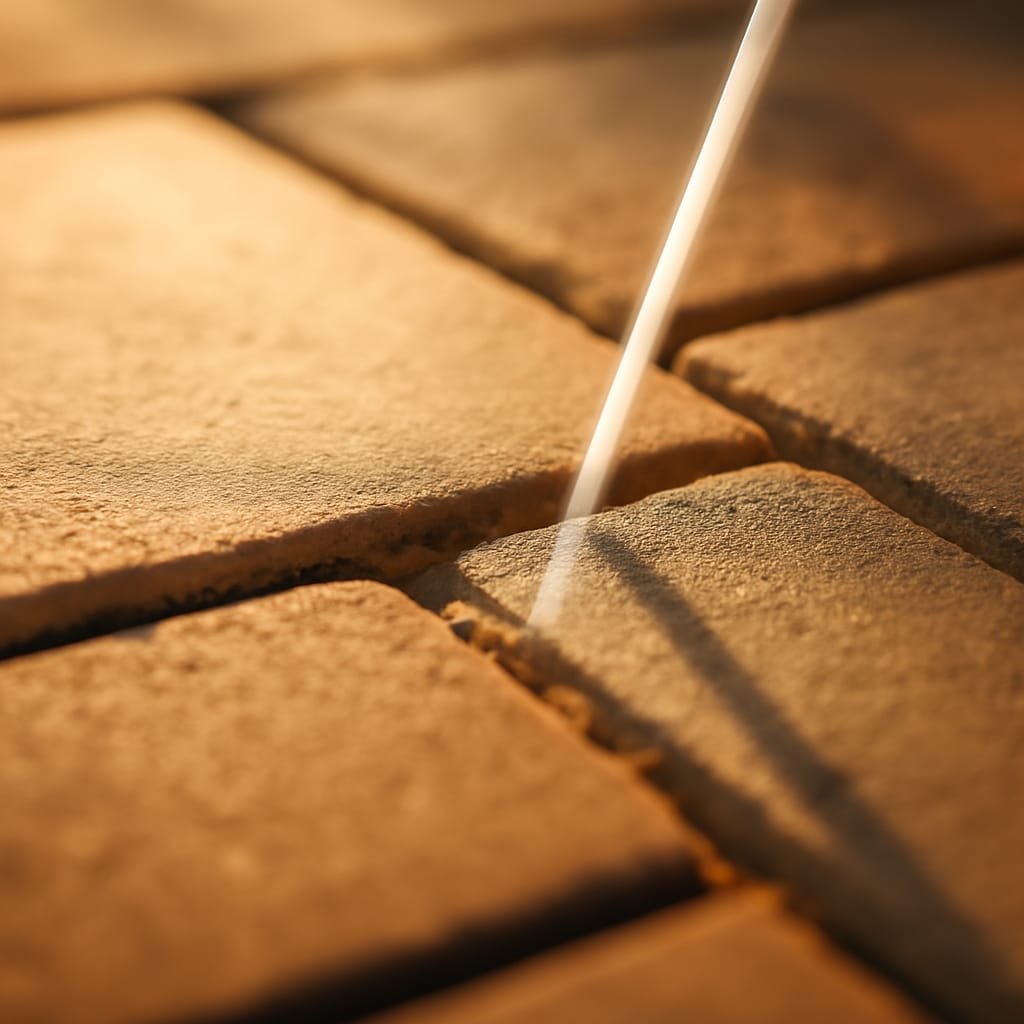
Water should never pool on your stone surfaces. A properly graded installation directs water away from home foundations and off the edge of the paved area, preventing the underlying gravel base from softening.
3. Protect Edge Restraints
The border of your paved area holds the entire system together. Heavy-duty plastic, metal, or concrete edge restraints must remain securely spiked into the ground to prevent the outer stones from spreading outward over time.
How to Correct Shifting Before Damage Spreads
If you notice a few sunken or tilted blocks, addressing the issue immediately prevents the surrounding stones from losing their lock. The restoration process requires patience and the right sequence of steps.
- Remove the affected stones: Carefully pry up the shifted blocks using flat screwdrivers or specialized stone pullers, taking care not to chip the edges.
- Re-level the bedding sand: Add a small amount of coarse washing sand to the exposed base, screeding it flat to match the level of the surrounding undisturbed base.
- Reinstall and compact: Place the stones back into position, tapping them down with a rubber mallet until they sit flush with the rest of the surface.
- Lock the joints: Fill the joints around the repaired stones with fresh polymeric sand, sweep away the excess, and mist with water to lock them in place.
The Role of Professional Maintenance
While minor leveling can be a weekend DIY project, deep cleaning and sealing require specialized equipment. High-pressure washing can easily wash away the essential bedding sand beneath the stones if executed improperly.
Professional teams utilize specialized flat-surface cleaners that distribute water pressure evenly. This protects the joint integrity while thoroughly removing deep-set dirt, organic growth, and tough stains.
Applying a high-quality breathable sealer after cleaning is another standard in professional Pavers Practices. Sealing hardens the joint sand, prevents weed seeds from taking root, and shields the stone pores from oil and water absorption.
Keep Your Outdoor Surfaces Pristine
Proactive care is always more cost-effective than a complete surface rebuild. By observing your stone surfaces seasonally and addressing erosion early, you preserve the safety and curb appeal of your property.
If your patio or driveway is showing signs of dirt buildup, weed growth, or joint erosion, professional intervention can restore its original luster and stability. Contact Golden Choice Pro-Wash today to schedule a professional evaluation and deep-cleaning service for your outdoor living spaces.