


Fences Wood Vs Composite Surfaces: Understanding the True Maintenance Lifecycle
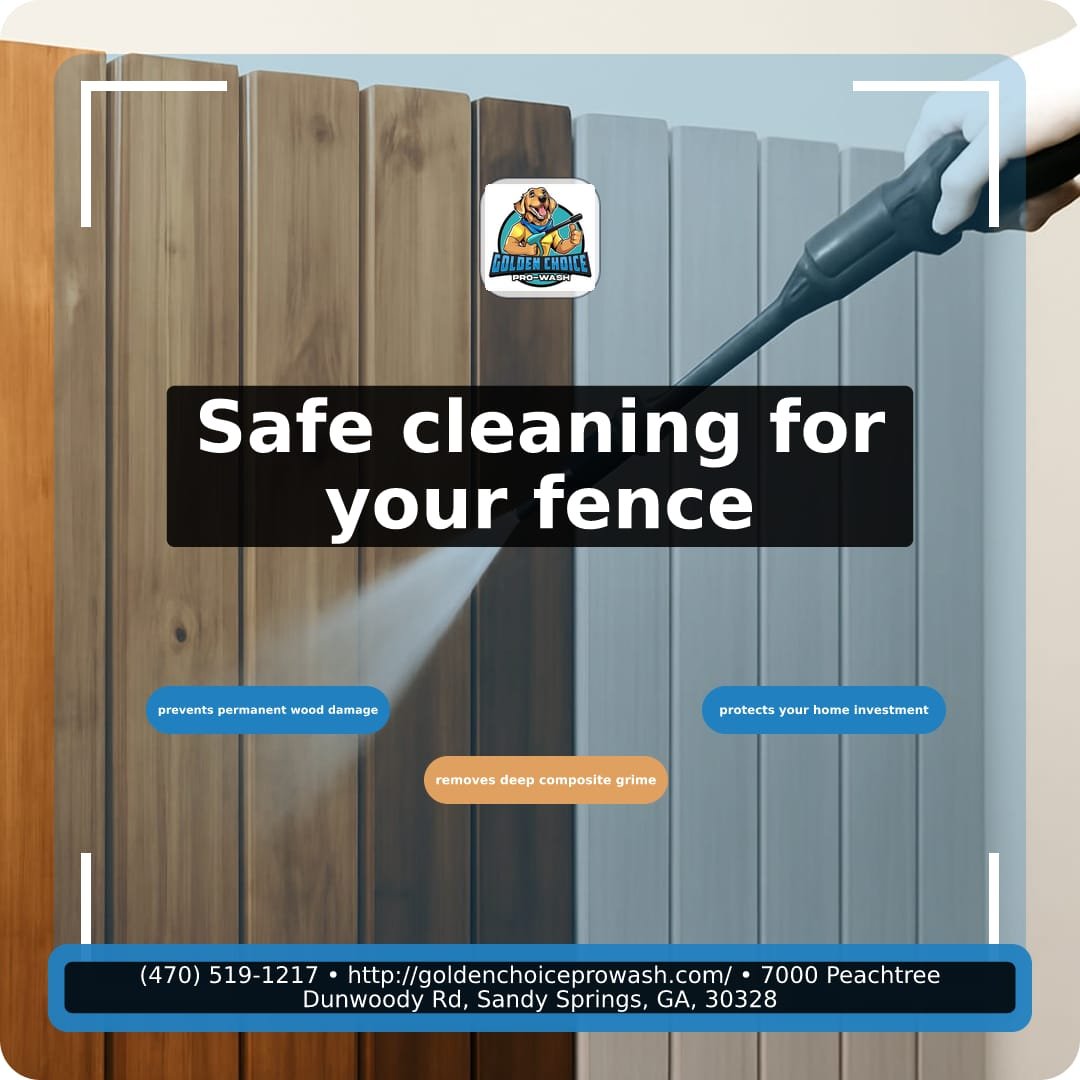
Choosing the right boundary for your property is a significant decision that impacts both your home’s curb appeal and your weekend free time. When comparing fences wood vs composite surfaces, most homeowners focus entirely on the upfront material costs or the initial aesthetic appeal.
However, the real test of your investment lies in how these materials age over five, ten, and fifteen years. Each material reacts differently to UV exposure, biological growth, and moisture, requiring distinct care strategies to prevent premature decay.
At Golden Choice Pro-Wash, we regularly restore outdoor structures that have suffered from neglected upkeep. Understanding the structural differences and maintenance realities of these materials before installation will save you thousands of dollars in premature replacement costs.
The Organic Vulnerability of Natural Wood Fencing
Natural wood remains a traditional favorite due to its classic warmth, aromatic smell, and lower initial installation cost. Whether you choose pressure-treated pine, cedar, or redwood, you are installing a living, breathing organic material that constantly interacts with its environment.
Because wood is porous, it acts like a sponge, absorbing humidity and rainwater. This constant cycle of swelling and shrinking leads to natural warping, checking, and twisting over time.
The Threat of Biological Growth on Wood
Wood fibers provide an ideal food source for mold, mildew, algae, and wood-rotting fungi. Once these organisms establish a foothold in the grain, they trap moisture against the wood, accelerating the decomposition process.
The Constant Need for Refinishing
To protect natural wood from moisture and UV graying, it must be chemically treated, stained, or sealed every two to three years. Neglecting this maintenance cycle can cut the lifespan of a wood fence in half, leaving it brittle and structurally compromised.
The Engineered Resilience of Composite Fencing
Composite fencing is manufactured from a blend of recycled plastic fibers and wood flour. This combination creates a dense, highly durable material designed to mimic the look of natural wood without the structural vulnerabilities of organic timber.
When analyzing fences wood vs composite surfaces, composite materials offer a distinct advantage in terms of structural longevity. They do not warp, splinter, rot, or require staining, making them highly attractive to busy homeowners.
The Synthetic Barrier Against Moisture
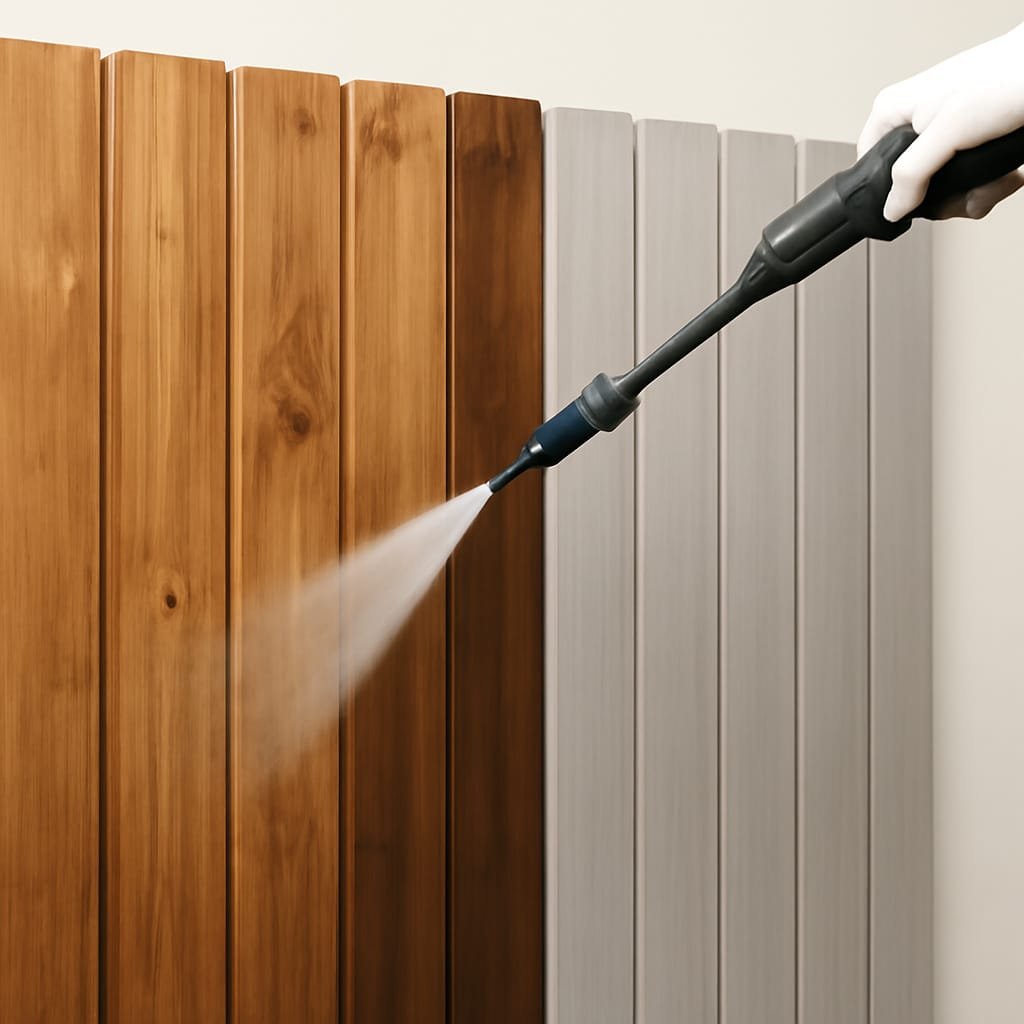
Because the wood fibers in composite boards are encapsulated in plastic, they are highly resistant to water penetration. This prevents the swelling and warping that plague natural timber, even in highly humid climates.
Resistance to Insect Infestation
Termites, carpenter bees, and other wood-boring pests cannot digest the plastic-binder mix found in composite materials. This eliminates the need for toxic chemical pesticide treatments along your property line.
The Hidden Challenge: Cleaning Fences Wood Vs Composite Surfaces
Many homeowners choose composite fencing under the assumption that “low maintenance” means “zero maintenance.” This is a common misconception that can lead to unexpected staining and surface degradation.
While composite surfaces do not require staining, they are still highly susceptible to environmental buildup. Dust, pollen, leaf debris, and atmospheric pollution settle on the textured surface, creating a microscopic nutrient layer where mold and mildew can thrive.
- Wood Cleaning Needs: Requires deep-penetrating cleaners to kill subsurface spores, followed by controlled, low-pressure washing to avoid gouging the soft wood fibers.
- Composite Cleaning Needs: Requires specialized surfactants that break the bond between the plastic cap and stubborn black mold spores, without utilizing harsh chemicals that can bleach the synthetic pigments.
- The Heat Retention Factor: Composite surfaces absorb and retain significantly more heat than wood, which can cause surface grime to “bake” into the textured grain, making it harder to clean over time.
How to Choose the Right Material for Your Property
Deciding between fences wood vs composite surfaces ultimately comes down to your budget, aesthetic preferences, and willingness to perform annual upkeep. If you enjoy the natural weathering process of timber and do not mind staining every few years, wood is an excellent, cost-effective choice.
If you prefer a set-it-and-forget-it approach and are willing to pay a higher upfront cost to avoid regular painting and sealing, composite is the superior modern alternative. Whichever material you choose, regular professional washing is the key to protecting your investment.
Preserve Your Property Investment with Golden Choice Pro-Wash
Both wood and composite fences require specialized care to maintain their structural integrity and vibrant appearance over the years. Using the wrong cleaning pressure or harsh chemicals can permanently scar wood or strip the protective capping off composite boards.
The outdoor restoration experts at Golden Choice Pro-Wash understand the unique physical properties of both materials. We utilize advanced soft-wash technology and eco-friendly cleaning agents to safely remove mold, algae, and grime without causing damage.
Contact Golden Choice Pro-Wash today to schedule a professional consultation and keep your boundary structures looking pristine year-round.</