
Maintaining the exterior of your property is essential for preserving its structural integrity and aesthetic appeal. Over time, dust, pollen, mold, mildew, and stubborn stains accumulate on your outdoor surfaces. However, approaching this cleanup with a one-size-fits-all mentality can lead to permanent, costly damage to your home or business.
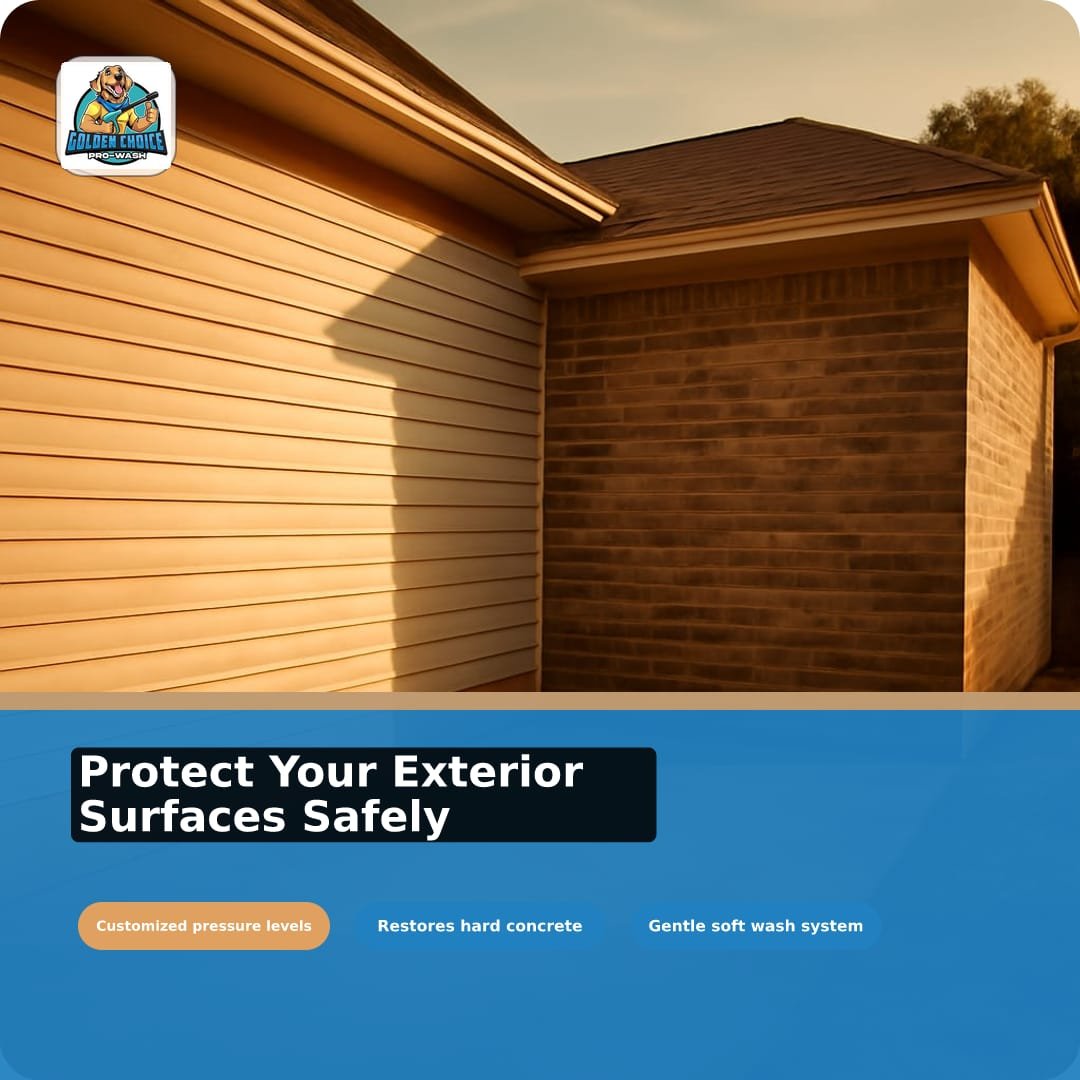
To keep your property looking its best without risking structural harm, you must understand the key differences between various cleaning techniques. Comparing Soft Wash Vs Power Wash Which Method Is Right For Your Exterior Surfaces is the first step toward making an informed maintenance decision. Each approach utilizes distinct equipment, pressure levels, and cleaning agents designed for specific materials.
In this guide, Golden Choice Pro-Wash breaks down the mechanics of both systems, explores which surfaces are best suited for each method, and highlights the hidden risks of choosing the wrong process.
The Core Differences in Exterior Cleaning Methods
While many people use the terms interchangeably, soft washing, pressure washing, and power washing are distinct technical processes. Utilizing the wrong method on a delicate surface can strip paint, shatter vinyl siding, or erode mortar.
What is Power Washing?
Power washing relies on high-pressure water combined with heat to blast away stubborn contaminants. The heating element in a power washer makes it incredibly effective at cutting through grease, oil, sap, and deeply embedded grime. Because of the extreme force and temperature, this method is reserved for highly durable, non-porous surfaces that can withstand intense physical stress.
What is Soft Washing?
Soft washing is a low-pressure alternative that relies on specialized, biodegradable chemical solutions rather than raw physical force. The water pressure used in soft washing is comparable to a strong garden hose. Specialized cleaning solutions do the heavy lifting by breaking down organic growth like algae, mold, lichen, and moss at the root level, ensuring they do not immediately return.
Soft Wash Vs Power Wash Which Method Is Right For Your Exterior Surfaces?
Determining the right approach requires analyzing the material composition of the surface you intend to clean. Applying high pressure to fragile materials is a recipe for expensive repairs, while low pressure on heavy grease stains will yield disappointing results.
When to Choose Soft Washing
Soft washing is the industry-standard recommendation for delicate residential and commercial building materials. If a surface can be easily punctured, dented, or water-logged, high pressure must be avoided.
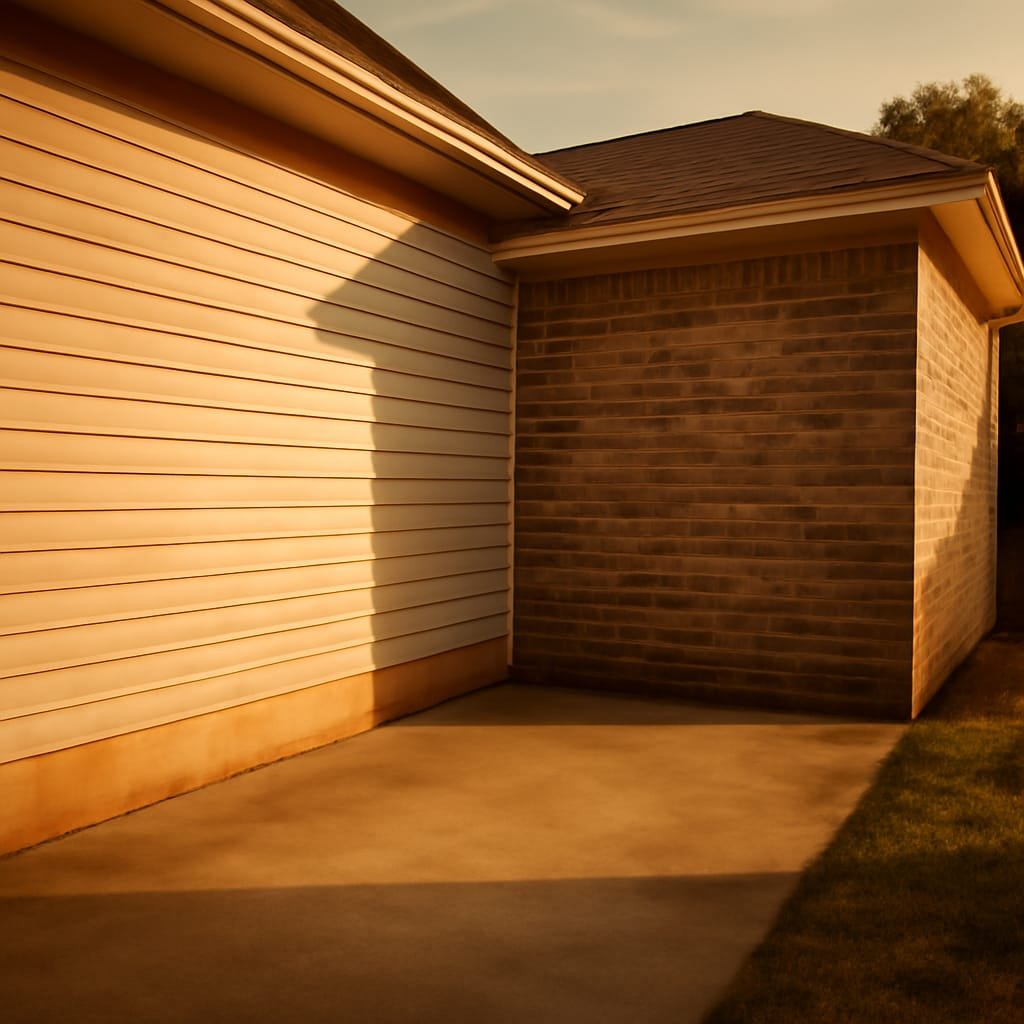
- Roofing Shingles: High pressure will strip away the protective UV granules on asphalt shingles, drastically shortening the lifespan of your roof. Soft washing safely sanitizes the shingles without lifting them.
- Vinyl and Stucco Siding: High-pressure water can easily crack vinyl panels or blast water behind siding layers, leading to hidden mold growth in your wall cavities. Soft washing sanitizes the exterior safely.
- Painted Wood and Composite Decks: Soft washing removes grey weathering and mold spores without splintering the wood or peeling away protective stains and paints.
When to Choose Power Washing
Power washing excels at cleaning hard, dense, and highly durable surfaces that have accumulated years of heavy oil, grease, or deeply embedded dirt.
- Concrete Driveways and Walkways: Concrete is porous and absorbs oil, tire marks, and engine fluids. The combination of heat and high pressure lifts these stubborn stains out of the pores.
- Brick and Stone Patios: Hard, well-maintained masonry can handle higher pressures to clear away ground-in dirt and weeds from the joints, though care must be taken with older mortar.
- Commercial Loading Docks and Dumpster Pads: These high-traffic areas accumulate thick layers of grease and grime that cannot be broken down by low-pressure rinsing alone.
The Hidden Risks of Using the Wrong Cleaning Method
Choosing incorrectly between soft washing and power washing can result in immediate, visible damage or slow-acting structural decay. Industry research shows that improper use of high-pressure machinery is one of the leading causes of premature exterior home repairs.
For example, using high pressure on brick can blast away the hard protective outer layer, leaving the soft interior clay exposed to rapid water absorption and winter freeze-thaw damage. Similarly, pressure washing wood decks can gouge the surface, leaving a fuzzy, splintered texture that requires extensive sanding to repair.
On the flip side, attempting to clean an oil-stained commercial concrete driveway with a low-pressure soft wash will leave the oil reserves deep within the concrete pores. This allows the stain to continue attracting dirt, resulting in a dark, slick surface that remains a slipping hazard.
How to Prepare Your Property for Exterior Cleaning
Once you determine the appropriate cleaning method, proper preparation is essential to protect your property and ensure a seamless cleaning process. Taking a few proactive steps can prevent accidental damage and maximize the effectiveness of the treatment.
- Seal Windows and Doors: Ensure all entry points are completely closed and locked to prevent water intrusion under pressure or chemical overspray from entering the home.
- Protect Landscaping: When utilizing soft wash solutions, thoroughly wet down nearby grass, shrubs, and flowers before and after the application to dilute any overspray and protect root systems.
- Clear the Area: Move outdoor furniture, potted plants, decorations, and vehicles away from the cleaning zone to give the technicians unobstructed access.
- Cover Electrical Outlets: Ensure all exterior electrical outlets, light fixtures, and security cameras are covered or taped off to prevent water damage or short circuits.
Achieve Professional Results with Golden Choice Pro-Wash
Understanding the nuances of soft washing and power washing protects your property from damage while delivering a spotless, sanitized finish. Whether you need to gently cleanse delicate siding or blast away stubborn oil stains from concrete, selecting the right tool for the job is paramount.
If you are unsure which method is safe for your property, avoid the guesswork and potential DIY mishaps. Contact Golden Choice Pro-Wash today to schedule a professional exterior surface consultation and ensure your property receives the precise, safe care it deserves.