


The Silent Role of Mortar in Your Home’s Structural Integrity
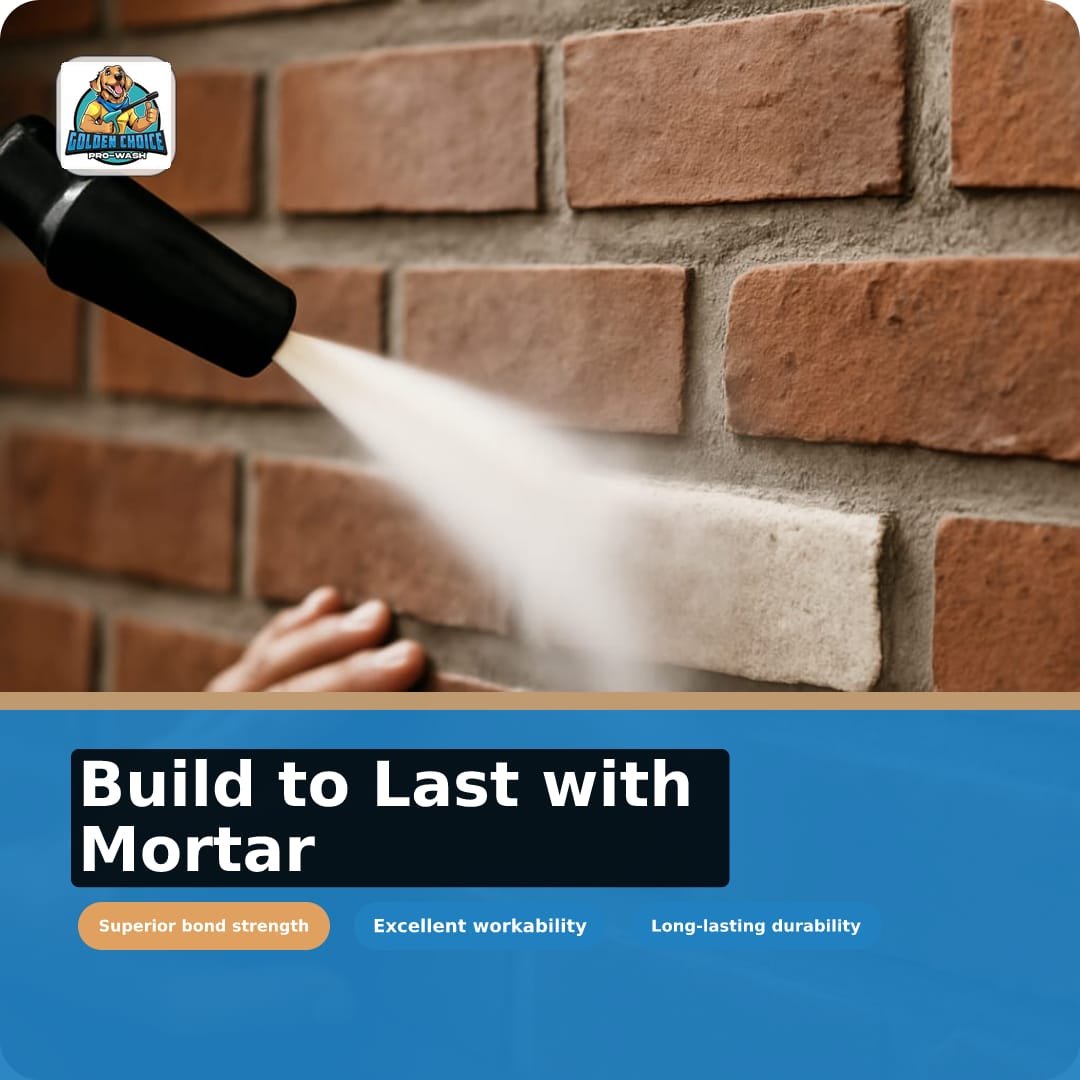
Every brick home or retaining wall relies on a quiet hero to hold everything together. While bricks often capture all the attention, it is the mortar between them that bears the weight and seals out the elements. This specialized mixture of sand, cement, and lime acts as a flexible cushion, distributing weight evenly across your masonry features.
Unfortunately, many property owners overlook this critical bonding agent until significant damage has already occurred. Because the material is designed to wear out faster than the bricks themselves, understanding its lifespan is essential. Identifying deterioration early can save you thousands of dollars in structural repairs and prevent moisture from invading your living spaces.
At Golden Choice Pro-Wash, we believe that understanding the materials surrounding your home is the first step toward proactive property maintenance. In this guide, we will explore the subtle warning signs of failing mortar and explain how to address these hidden challenges before they compromise your masonry.
Why Mortar Is Designed to Fail Safely
It surprises many homeowners to learn that mortar is actually engineered to be softer and more porous than the surrounding brick. This intentional design choice ensures that any natural shifting, settling, or thermal expansion affects the joints rather than the masonry units. It is far easier and less expensive to replace a joint than to replace cracked bricks.
Because these joints act as a sacrificial barrier, they naturally degrade over time due to weather exposure, freeze-thaw cycles, and ground movement. Industry research shows that typical mixtures last between 25 to 50 years depending on environmental exposure. When the material reaches the end of its life cycle, it begins to crumble, crack, and pull away from the brick edges.
Ignoring this natural degradation can lead to a domino effect of property damage. When water penetrates a weakened joint, it can freeze and expand, rapidly accelerating the breakdown of the entire wall system. This moisture can also travel inward, rotting wooden framing, ruining drywall, and encouraging toxic mold growth.
Key Warning Signs of Mortar Decay
Detecting failing joints early requires looking past the surface of your brickwork. Walk around your property and inspect your masonry structures for these common indicators of trouble:
- Powdery or Sandy Residue: If you can easily scrape away the joint material with a fingernail or if you notice sand accumulating at the base of your walls, the bonding agents have broken down.
- Hairline Cracks and Fractures: Fine cracks running horizontally or vertically through the joints are early signs of stress and water intrusion points.
- Spalling Bricks: When the joint fails to release moisture, water becomes trapped inside the adjacent bricks. During a freeze, this trapped water expands, popping the faces off the bricks.
- Gaps and Deep Recesses: If the material has eroded to the point where there are visible voids or the joint depth is recessed more than a quarter-inch, the wall is losing its structural stability.
- Vegetation Growth: Moss, weeds, or ivy roots growing directly out of the joints indicate that moisture is trapped deep within the wall assembly.
The Hidden Challenge of Color and Composition Matching
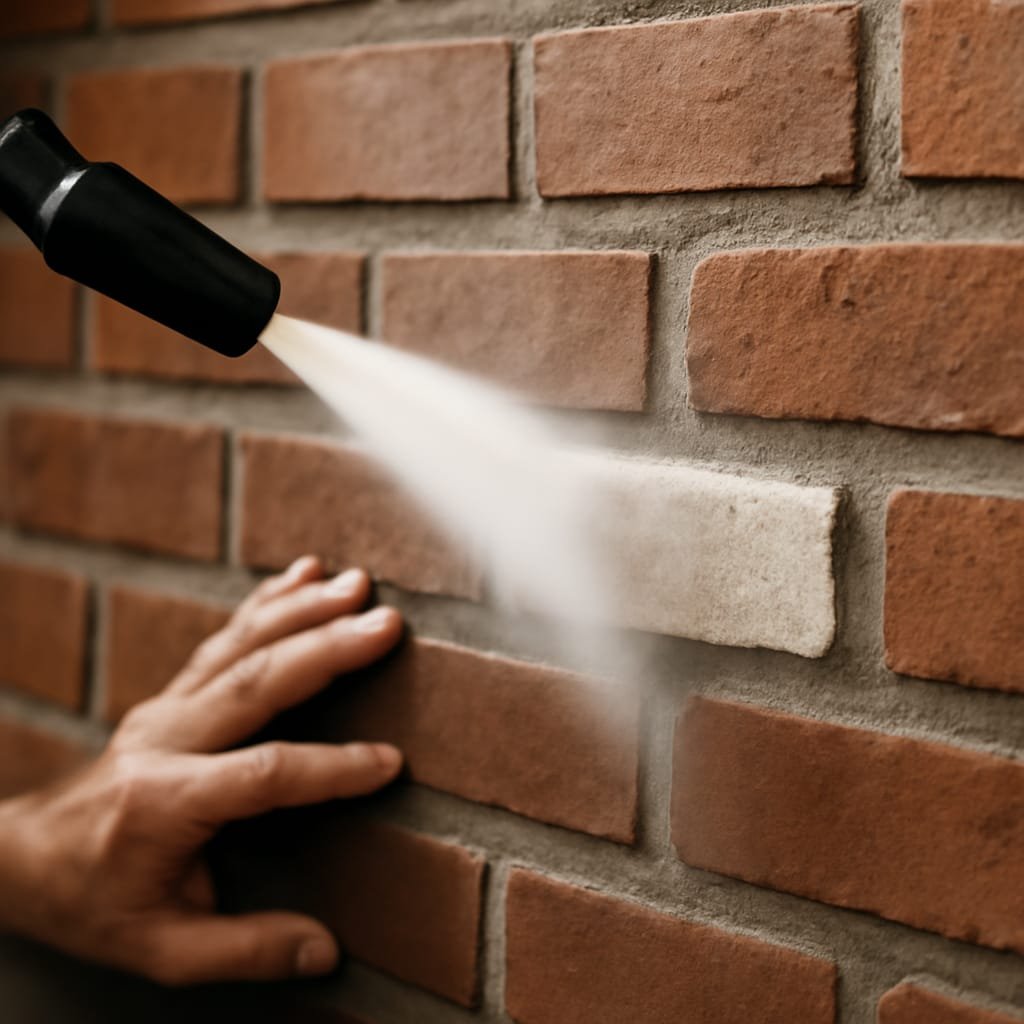
When property owners notice decaying mortar, the immediate instinct is to buy a quick-mix patch from a local hardware store. However, DIY patching often leads to cosmetic disasters and further structural damage. Matching the original material is a highly technical process that requires analyzing both the color and the physical composition of the existing joint.
Using a modern, highly rigid Portland cement-based mixture on an older home built with soft lime mortar can cause catastrophic damage. Because the new patch is harder than the historic bricks, natural wall movement will crush the edges of the old bricks instead of flexing. This leads to irreversible masonry damage that is incredibly costly to repair.
Furthermore, color matching is an art form. New joints must be formulated to match the aged, weathered look of the existing wall, or your home will end up with an unsightly, patchwork appearance. Professional masonry assessment is always recommended to identify the correct material composition before any physical work begins.
How to Safely Maintain and Clean Your Masonry
While repair work should be handled by specialized masonry professionals, maintaining the cleanliness of your brickwork is something you can manage proactively. Keeping your brick walls free from organic growth like algae, moss, and mold prevents these organisms from feeding on the minerals within the joints.
However, extreme caution must be used when cleaning compromised masonry. High-pressure washing can easily blast away soft, decaying material, turning minor joint wear into wide-open holes. To protect your home’s exterior, always utilize gentle, low-pressure washing methods combined with specialized cleaning solutions to sanitize the surface without causing physical erosion.
Regular inspections, professional cleaning, and timely repointing will ensure your brick structures remain beautiful, dry, and structurally sound for generations to come. If you notice any of the warning signs detailed in this guide, take action early to protect your investment.
Protect Your Masonry with Golden Choice Pro-Wash
Maintaining the structural integrity and aesthetic appeal of your brickwork requires a delicate touch and professional expertise. At Golden Choice Pro-Wash, we specialize in safe, low-pressure cleaning techniques designed to protect fragile mortar while thoroughly removing damaging organic growth and dirt.
Do not let hidden decay compromise the safety and value of your property. Contact Golden Choice Pro-Wash today to schedule an exterior inspection and cleaning consultation for your home.