


The Silent Threat Beneath the Surface

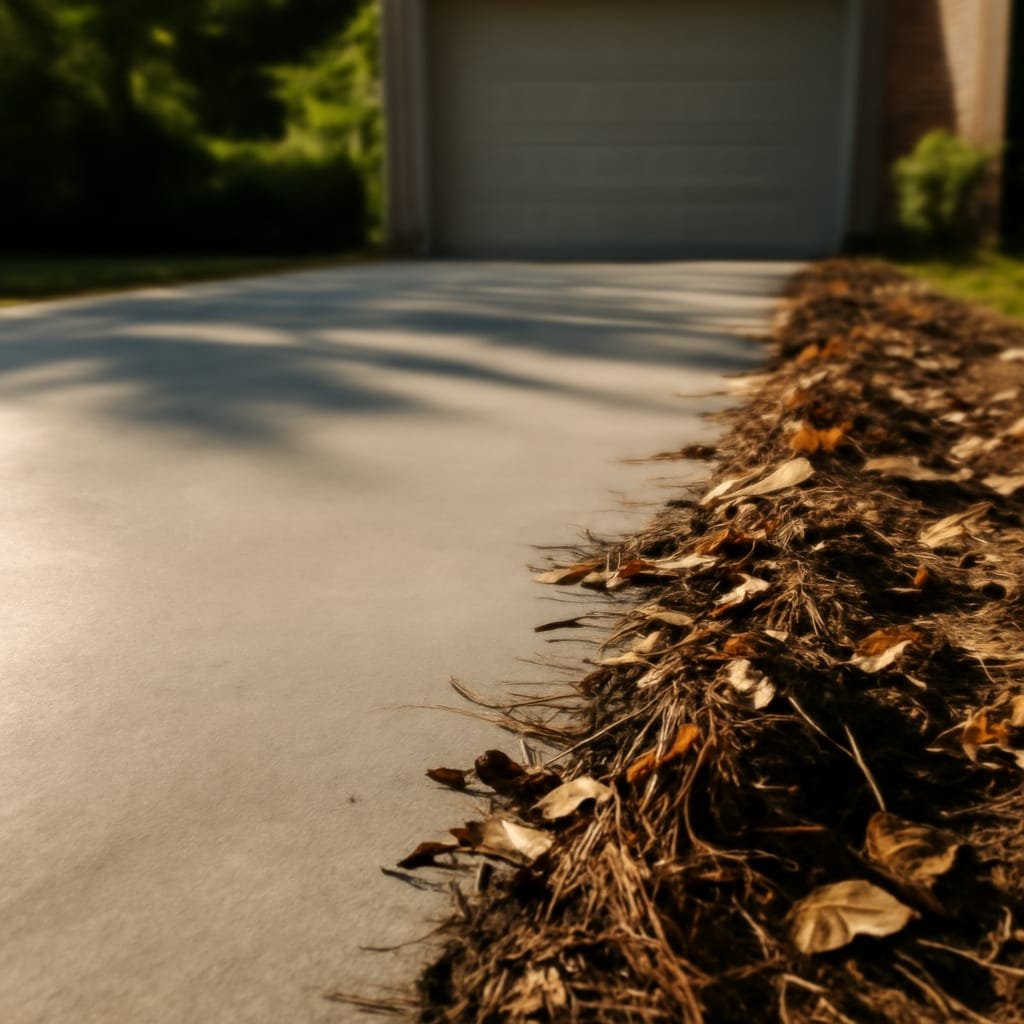
Property owners often focus their maintenance efforts on visible surfaces like painted walls and manicured lawns. However, a silent threat often accumulates unnoticed along the perimeter of residential and commercial structures. Over time, organic and inorganic Debris piles up against foundations, creating a host of structural hazards.
When leaves, twigs, soil, and discarded construction materials collect near your foundation, they do more than look untidy. They alter the local environment of your building’s base, trapping moisture and inviting pests. Understanding how this accumulation impacts your concrete and masonry is the first step toward preventing catastrophic structural failures.
At Golden Choice Pro-Wash, we regularly observe how minor buildup escalates into expensive remediation projects. This guide explores the hidden mechanisms of foundation damage caused by unchecked accumulation and offers practical steps to safeguard your property.
The Moisture Trap: How Debris Accelerates Concrete Decay
Concrete is inherently porous, meaning it acts like a dense sponge when exposed to prolonged moisture. Under normal conditions, rainwater hits a foundation and quickly drains away or evaporates. However, a thick layer of organic material acts as a highly efficient sponge, holding water directly against the structural masonry for weeks or months at a time.
This constant exposure leads to a process known as subflorescence, where dissolved salts travel into the concrete pores and crystallize. As these crystals grow, they exert internal pressure on the concrete, causing it to flake, spall, and weaken over time. Additionally, during colder seasons, this trapped moisture undergoes freeze-thaw cycles that rapidly expand existing micro-cracks into major structural fissures.
Hydrostatic Pressure and Soil Shifts
When heavy buildup prevents proper drainage, water saturates the soil immediately surrounding your foundation. This saturated soil expands, exerting immense lateral pressure—known as hydrostatic pressure—against your basement or crawlspace walls. Over time, this relentless force can cause concrete blocks to bow inward and crack, compromising the entire structural integrity of the building.
The Structural Hazards of Unchecked Accumulation
The damage caused by piled material extends far beyond simple moisture retention. Different types of waste introduce unique chemical and biological threats to your property’s exterior surfaces.
- Acidic Soil Chemistry: Decaying organic matter, such as rotting leaves and pine needles, releases natural acids. These acids slowly eat away at the alkaline binders in concrete and mortar, causing joint deterioration.
- Pest Infestations: Damp, undisturbed piles of wood chips, leaves, and cardboard serve as the perfect nesting ground for termites, carpenter ants, and rodents. Once established near the foundation, these pests quickly find pathways into the interior structure.
- Microbial Growth: Mold, mildew, and algae thrive in the dark, damp microclimate created by accumulated waste. These organisms can feed on organic components within your building materials and degrade protective exterior coatings.
Preventative Strategies for Property Owners
Protecting your foundation requires a proactive approach to exterior maintenance. By establishing a routine inspection and cleaning schedule, you can mitigate these risks before they require structural engineering interventions.
Industry research shows that maintaining a clear slope away from your foundation is the single most effective way to prevent water intrusion. Experts recommend keeping a minimum of six to twelve inches of clear space between your foundation wall and any landscaping mulch, soil, or organic buildup.
Clear the Perimeter Zone
Inspect the perimeter of your property at least twice a year, specifically after autumn leaf falls and major spring storms. Remove any accumulated piles of lawn clippings, leaves, and windblown trash that have gathered in corners or behind HVAC units. Ensure that downspouts extend well past this zone to prevent water from pooling in cleared areas.
Assess Grading and Drainage
Take a close look at the slope of the ground surrounding your building. If the soil has settled over time, it may slope inward toward the foundation, directing water and migrating Debris straight to your concrete walls. Correcting this grade ensures that gravity works with your drainage systems rather than against them.
Professional Restoration and Maintenance
Once heavy buildup is removed, the underlying concrete often requires deep cleaning and assessment to remove deeply embedded contaminants. Spores, acidic residues, and stubborn organic stains must be thoroughly cleared to prevent ongoing degradation of the masonry surfaces.
Our team at Golden Choice Pro-Wash specializes in restoring the integrity of exterior surfaces using advanced, surface-safe washing techniques. By clearing away the microscopic remnants of decay, we help homeowners restore their concrete and masonry to a clean, breathable, and stable state.
If you notice signs of dampness, efflorescence, or mold growth along your lower exterior walls, it is time to take action. Contact Golden Choice Pro-Wash today to schedule a comprehensive exterior cleaning assessment and protect your property’s foundation from the silent threats of accumulation.