


The Silent Invasion: Why Algae From Your Home S Exterior Is More Than an Eyecore
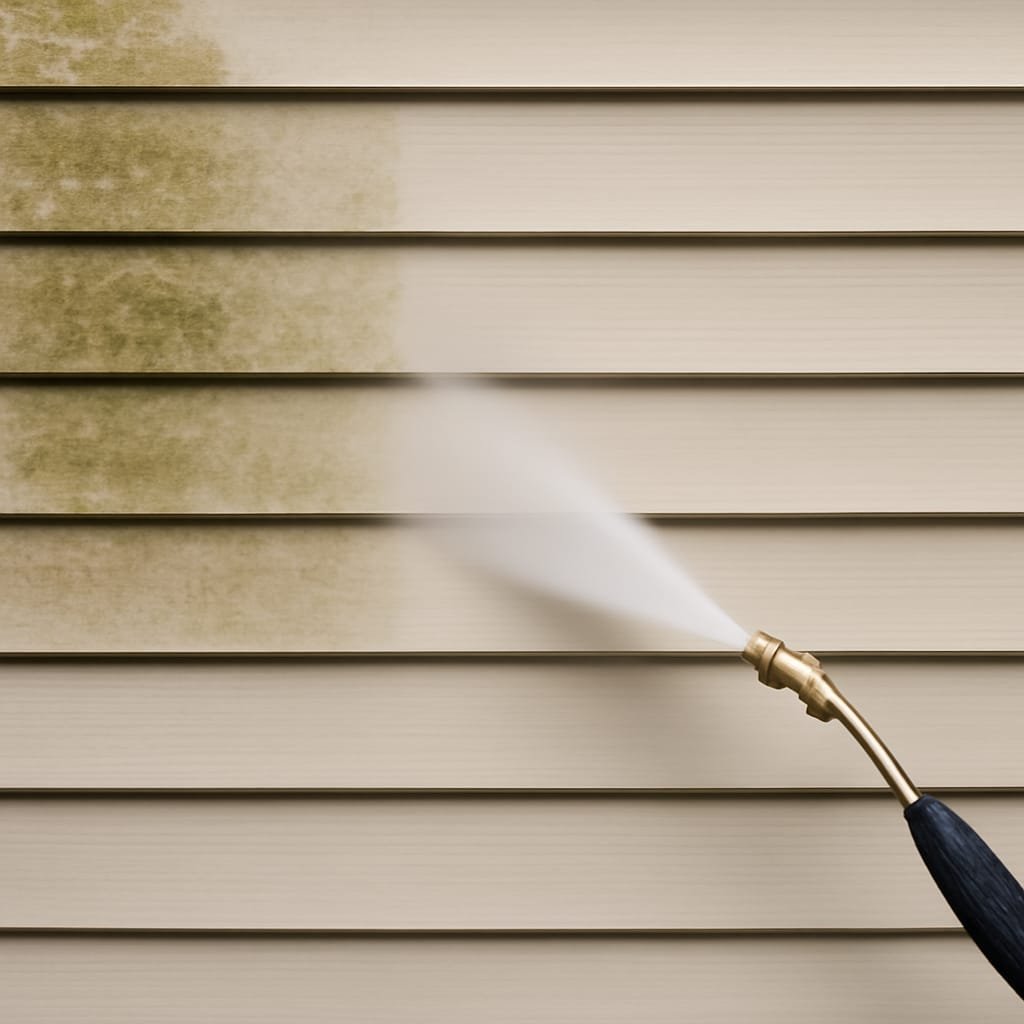
If you have noticed green, black, or brown streaks creeping across your siding, you are not alone. Many homeowners assume this discoloration is just dirt or dust that has accumulated over the season. In reality, you are likely looking at living organisms, specifically green algae, mold, or mildew, feeding on moisture and organic debris.
While the initial concern is usually aesthetic, leaving these growths untreated can lead to long-term problems. Understanding how to identify, manage, and prevent Algae From Your Home S Exterior is essential for preserving the value and structural integrity of your property.
The Science of Exterior Algae Growth
Algae thrive in warm, humid climates and tend to flourish on the north-facing walls of a house. This is because northern exposures receive the least amount of direct sunlight, allowing moisture from morning dew, high humidity, and rain to linger. When combined with airborne dust, pollen, and tree sap, these damp surfaces become the perfect breeding ground.
It is important to distinguish green algae from its darker, more aggressive counterparts like black mold or Gloeocapsa magma, a type of bacteria commonly found on roofs. While green algae is generally less destructive than rot-inducing fungi, it creates a sticky biofilm that traps moisture directly against your siding. Over time, this trapped moisture can seep into the underlying sheathing, leading to wood rot and costly structural damage.
Different Siding Materials, Different Risks
Not all siding materials react the same way when hosting biological growth. Understanding how Algae From Your Home S Exterior interacts with your specific building materials can help you identify potential points of failure before they escalate.
- Vinyl Siding: While vinyl will not rot, the organic film created by algae can permanently stain the panels. Furthermore, the presence of algae indicates high moisture levels, which can seep behind the interlocking panels and damage the wooden framing underneath.
- Wood and Cedar Shingles: Wood is highly susceptible to moisture damage. When algae holds moisture against wood siding, it accelerates the decay process, leading to splitting, warping, and wood rot.
- Stucco and EIFS: The porous, textured surface of stucco provides thousands of microscopic pockets where algae spores can take root. Once embedded, it is incredibly difficult to remove without causing surface erosion.
- Fiber Cement: While highly durable, fiber cement still relies on protective paint and sealants. Algae growth can slowly degrade these protective coatings, leaving the underlying material vulnerable to moisture absorption.
The Hidden Health and Safety Risks
Beyond the physical damage to your property, allowing biological growth to spread presents subtle health and safety concerns. As the colony grows, it releases spores into the air. These spores can easily find their way indoors through open windows, doors, and HVAC intake vents, potentially aggravating respiratory issues for sensitive individuals.
Additionally, when algae spreads to walkways, patios, and decks near the base of your home, it becomes incredibly slick when wet. This creates a severe slip-and-fall hazard on surfaces that should otherwise be safe to walk on.
How to Prevent and Manage Algae From Your Home S Exterior
Managing algae is an ongoing process that requires a combination of landscape management and regular maintenance. By altering the environment around your home, you can make the surfaces far less hospitable to spores.
1. Improve Sunlight and Airflow
Trim back overhanging tree branches, dense shrubs, and vines that shade your home’s siding. Increasing sunlight exposure and encouraging wind circulation will help wet surfaces dry much faster after a rainstorm.
2. Redirect Water Sources
Ensure your gutters are clean and functioning properly so water does not overflow directly onto your siding. Additionally, adjust lawn sprinklers so they do not consistently spray the side of your house during their watering cycles.
3. Regular Washing Protocols
Routine washing is key to keeping spores from establishing deep roots. However, using high-pressure water can actually force moisture deep into your walls or damage delicate siding materials. Industry experts recommend using specialized low-pressure washing techniques, often called soft washing, to safely eliminate the growth at its root.
Why a Professional Approach Matters
Many homeowners attempt to tackle Algae From Your Home S Exterior using DIY pressure washers or harsh retail chemicals. Unfortunately, improper pressure can strip paint, crack vinyl, and blast water behind your siding, creating a hidden mold problem inside your walls. Furthermore, off-the-shelf bleach solutions can harm your landscaping and pets if not applied and diluted correctly.
Professional exterior cleaning utilizes biodegradable sanitizing solutions that kill the algae at the spore level rather than just blasting away the visible surface layer. This ensures that the growth stays gone for a much longer period without risking damage to your home’s delicate exterior components.
At Golden Choice Pro-Wash, we utilize gentle, low-pressure soft washing techniques designed to safely remove organic growth and protect your home’s longevity. Contact Golden Choice Pro-Wash today to schedule a consultation and restore your property’s exterior to its clean, healthy state.